
“We should try to leave the world a better place than when we entered it. As individuals, we can make a difference, whether it is to probe the secrets of Nature, to clean up the environment and work for peace and social justice, or to nurture the inquisitive, vibrant spirit of the young by being a mentor and a guide.”
You don’t have to be an astronaut to explore space! NASA is not just astronauts. Nor does it exist only for the physical exploration of space. America’s space agency isn’t even just about space. Its major initiatives comprise astrophysics (the purest science of the cosmos), the study of our Solar System; aeronautics (focusing on improvements to aviation technology), Earth science, the examination of the Sun, space technology (which finds new ways to conduct robotic and human missions), and, the human exploration program.
Check out these five career paths that do not require take-off:
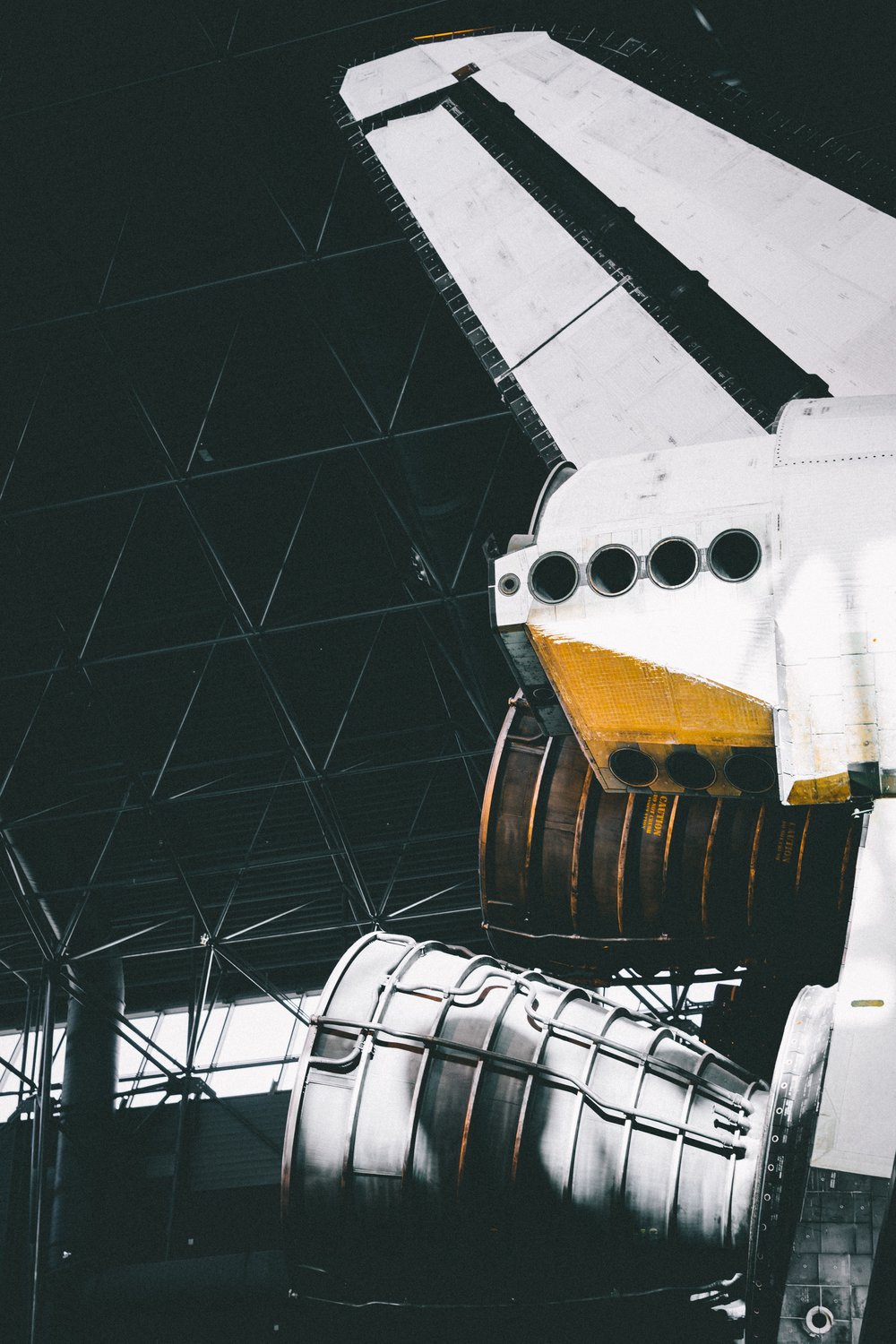
Engineering: When scientists set a goal, such as exploring the composition of a distant planet, engineers design the tools and products that enable such observations. Aerospace Engineers design, construct, and test aircraft, missiles, and spacecraft. How cool is that??? Mechanical Engineers create sensors, tools, engines, and steering mechanisms on rocket nozzles that support space missions. There are many engineering specialties related to Space. Check them out here.

Strategically communicating an organization’s story is powerful for any business, and especially for private and public Space companies. Media Relations and Public Relations fields spearhead news coverage, promote efforts, conduct media interviews, and even guide crisis communications in the event of a failed mission or launch. This position requires the utmost expertise in both understanding the mission and undertakings of the Space organization itself and in communication skills for public affairs. The Office of Communications and External Relations for NASA’s Glenn Research Center oversees newsletters, press releases, media kits, exhibits, and even a speakers bureau.

Policymaking: Policy plays an overarching role in Space exploration. Policy shifts reflect changes in priorities and are the reason why we haven’t sent humans back to the moon in 45 years and why we haven’t put more efforts into sending people to Mars and being the first nation to do so. Taking on space exploration as a policymaker is a noble and honorable task. Visit the Office of Space Commerce to find out more about current Space policy initiatives.

Physicists and Astronomers spend much of their time working in offices and studying concepts such as the origin of the universe, the nature of time, and perform experiments using super cool advanced equipment like particle accelerators, electron microscopes and lasers.
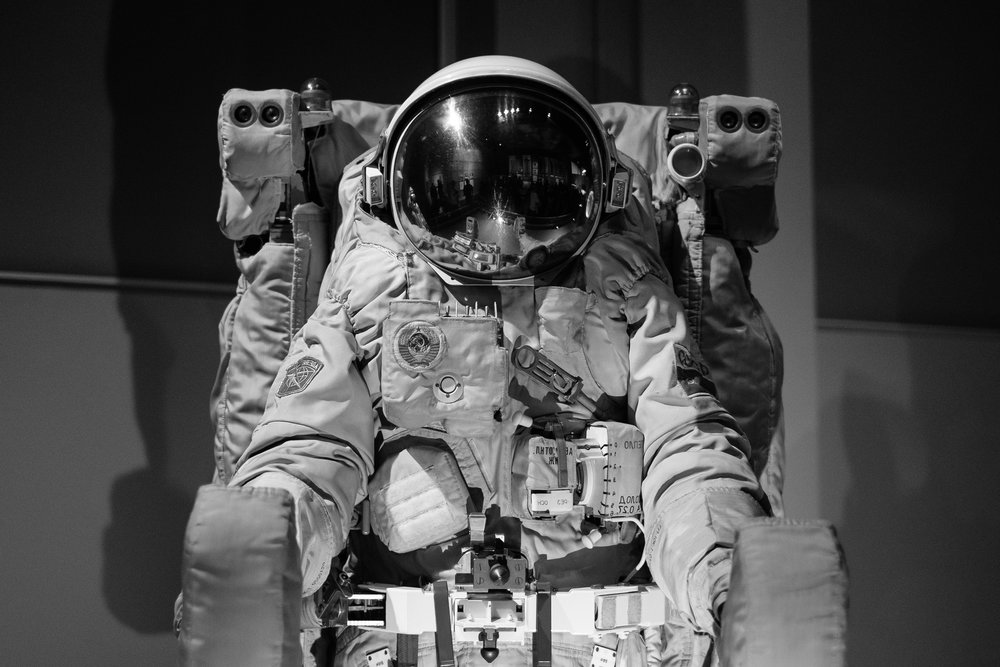
Do you enjoy making and creating? Have you considered a career as a seamstress? How about designing space suits? Meet Lien Pham, one of NASA’s “spacecraft dressmakers.” Pham is a member of Flight Technicians Services and designs and fabricates protective thermal blankets.
What other out of this world careers are here on Earth? Share your responses on social media using #MartianClassroom.